Edge Bander Glue Troubleshooting: Glue Pot & Glue Line Problems
When an edge band lifts, the glue line becomes visible, or adhesive application changes during a shift, start with the symptom and the production record. Do not begin by changing several machine settings at once. A controlled check helps separate material, adhesive, temperature, application and pressure problems.
Safety first: isolate electrical, pneumatic and thermal energy before opening guards or touching the glue pot, application roller or pressure section. Follow the machine manual, the adhesive technical data sheet and your factory lockout procedure.
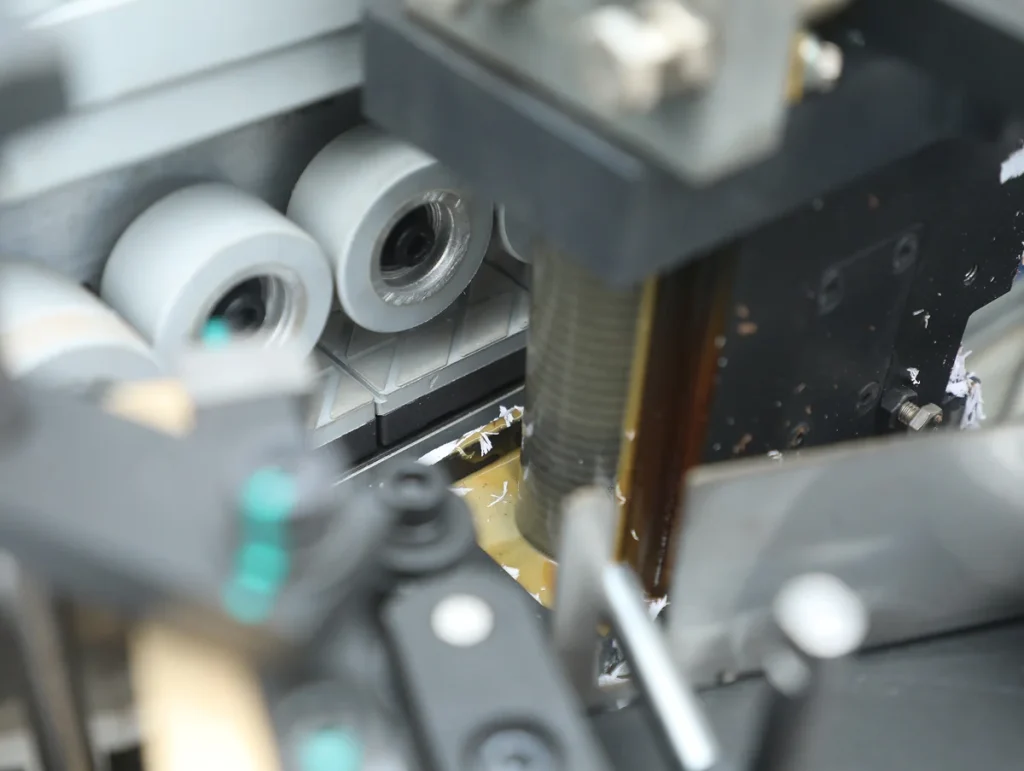
Quick Diagnosis by Visible Symptom
| Observed symptom | Checks to make first |
|---|---|
| Edge band peels after cooling | Panel-edge preparation, adhesive condition, actual application temperature, glue coverage and pressure contact. |
| Glue line is thick or adhesive squeezes out | Application amount, adhesive viscosity within the supplier range, roller condition and pressure alignment. |
| Glue coverage is intermittent | Glue level, contamination, roller surface, feed stability and uneven panel edges. |
| Burnt particles or dark adhesive appear | Old residue, prolonged heating, local overheating and cleaning condition of the pot and return path. |
| Quality is good at startup but declines later | Time under heat, refill practice, contamination, temperature drift and changes between the first, middle and last workpieces. |
Record the Production Conditions Before Adjusting
Keep one failed workpiece and photograph the defect. Record the panel material, edge-band material, adhesive brand and batch, machine setpoint, independently checked temperature where permitted, feed setting, time since melting, glue level and ambient conditions. This evidence is more useful than a description such as “the glue is not good.”
Use the adhesive supplier’s approved operating range. There is no single temperature, feed speed or glue-layer value that is correct for every adhesive, machine and material combination.
A Repeatable Troubleshooting Sequence
- Define the defect. Decide whether the problem is loss of bond, a visible glue line, contamination or unstable application.
- Confirm the materials. Check the substrate edge, edge band, storage condition and adhesive identity. Use clean reference material for the test.
- Verify preparation. Look for dust, loose fibres, machining marks or an uneven edge before changing the glue system.
- Check the adhesive process. Compare the machine setting and observed condition with the adhesive technical data sheet. Confirm that the adhesive has not been held under heat outside the supplier’s guidance.
- Inspect application and pressure. When the machine is safely isolated, check the application roller, glue path and pressure rollers for residue, wear, blockage or misalignment.
- Change one variable. Run labelled samples after each controlled adjustment. Keep the first, middle and last accepted pieces for comparison.
Weak Bond: What to Check
A weak bond does not automatically mean that more glue is required. Incomplete edge preparation, low heat at the bonding point, degraded adhesive, poor wetting or insufficient pressure can produce similar symptoms. Separate the edge band from a cooled sample and inspect both surfaces: where the adhesive remains, where the substrate is exposed and whether coverage changes along the panel.
If a fresh panel and fresh edge band improve the result, investigate material contamination or storage. If the defect follows the same position on every workpiece, inspect the machine path and pressure contact. If it changes with time, review heat exposure, refill practice and temperature stability.
Visible or Uneven Glue Line
A visible glue line can result from excess application, unsuitable adhesive behaviour for the material, inconsistent panel thickness, inaccurate pressure contact or an edge that is not machined square. Reduce guesswork by comparing labelled samples and changing only one condition at a time.
Intermittent coverage often points to contamination, an uneven roller surface, an unstable glue level or inconsistent feeding. Clean and inspect according to the equipment manual before compensating with a larger application amount.
Glue Pot and Application-Roller Checks
- Look for charred residue, foreign particles and blocked return paths.
- Confirm that the displayed temperature is credible using the approved factory method.
- Inspect the roller surface and doctoring components for uneven buildup or wear.
- Check seals, covers and moisture protection required by the adhesive system.
- Use only cleaning products and procedures approved by the machine and adhesive suppliers.
Do not scrape coated surfaces with an unapproved tool, add solvent to hot adhesive, or work on the pot while stored energy remains. If the heater, sensor, drive, coating or sealing system is damaged, stop adjustment and arrange a qualified repair.
EVA and PUR Require Different Handling
EVA hot melt is thermoplastic: it softens again when heated, so heat history and contamination should be monitored. PUR is reactive and its storage, moisture protection, cleaning and changeover procedures require stricter control. Do not apply a generic temperature table to either system. Use the exact technical data sheet for the adhesive in the machine.
For background, read what EVA edge-banding adhesive is, what PUR edge-banding adhesive is, and the guide to glue temperature and edge-banding quality.
When Cleaning Is Not Enough
Escalate from routine cleaning to repair when the roller cannot apply consistently after an approved cleaning, temperature readings are unstable, seals or coated surfaces are damaged, the drive is abnormal, or the same defect returns with verified materials and settings. Document the condition before dismantling so maintenance can compare the repaired result with the original fault.
See the related guide to clean-free glue-pot coating and maintenance.
FAQ
Why does the edge band peel after the workpiece cools?
Check edge preparation, adhesive condition, verified temperature at the process, glue coverage and pressure contact. The failure surface usually provides more useful evidence than increasing glue immediately.
Why is quality stable at startup but worse later in the shift?
Compare the first, middle and last samples and review adhesive heat history, refill practice, contamination and temperature stability. Keep the adhesive supplier’s limits as the reference.
Can EVA and PUR use the same glue system?
Only if the machine and glue-system supplier explicitly supports the changeover and provides a validated procedure. PUR handling and cleaning requirements differ from EVA, and residues can compromise the next production run.
How do I confirm that the glue-pot temperature is correct?
Use the factory-approved independent measurement method and compare it with the display and the adhesive data sheet. Do not place a handheld probe into a running system unless the procedure is specifically approved.
When should the glue pot be repaired rather than adjusted?
Arrange repair when cleaning and verified process settings do not restore consistent application, or when the heater, sensor, drive, seals, roller or coated surfaces show damage.
Send Evidence for a More Useful Review
Send clear photos of the failed edge and separated bond surfaces, the panel and edge-band materials, adhesive identification, machine model, process record and samples from different times in the shift. This allows the next check to be based on evidence instead of guesswork.
Contact Wood Machinery Network for a troubleshooting review or browse the edge-banding machine directory.
Why One Good Sample Is Not Enough: First–Middle–Last Inspection for Decorative Profiles
Why Edge Banding First Changes Decorative Moulding Production
HK640 Crawler Edge Banding Machine
HK690 Narrow-Edge Banding Machine Overview