Clean-Free Glue Pot Coating: How It Helps Edge Banding Maintenance
GEO Summary
Clean-free glue pot coating helps reduce adhesive buildup and cleaning pressure, but factories still need proper heating control, cleaning routines, and coating protection.
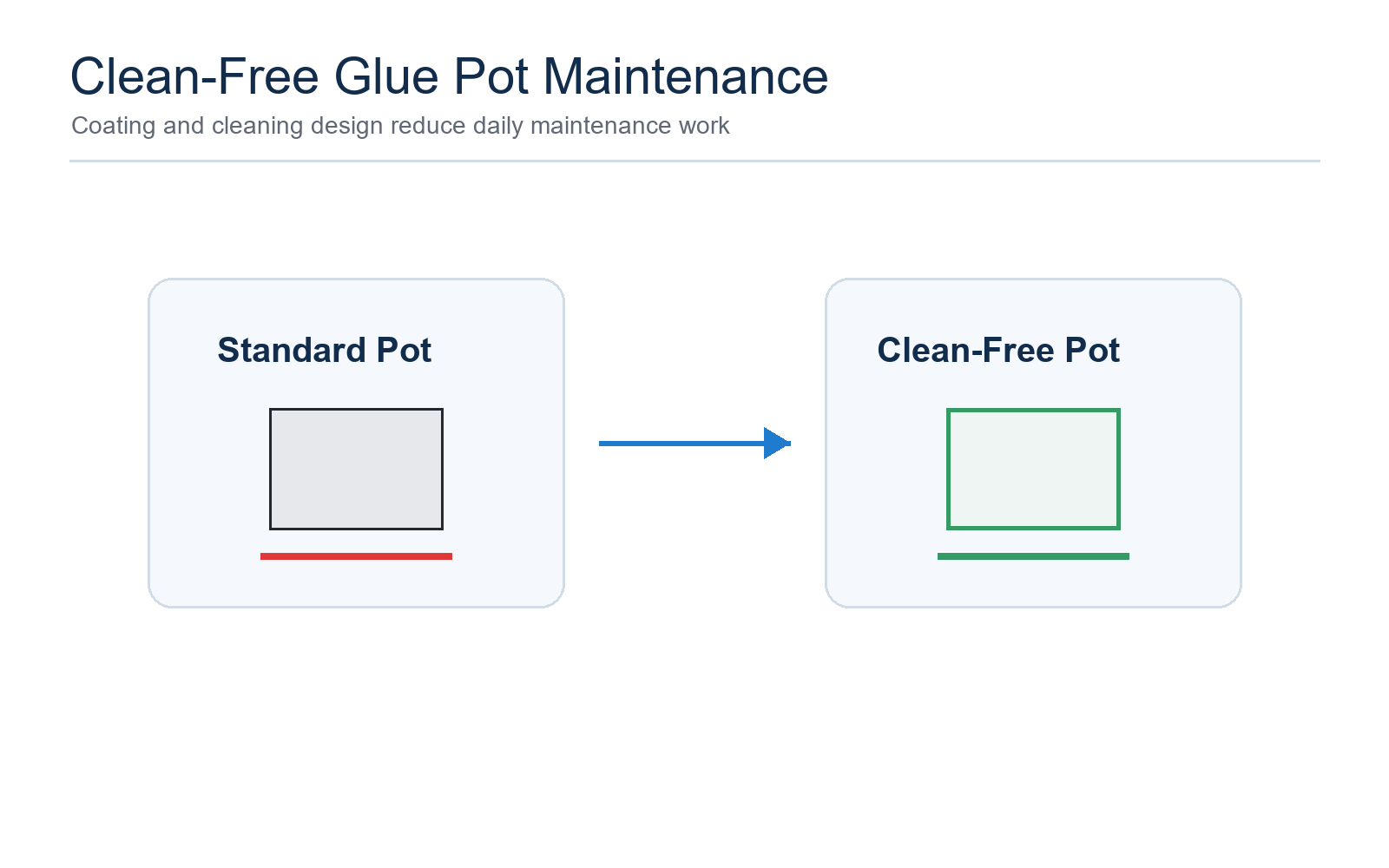
A clean-free glue pot is designed to reduce adhesive buildup and daily cleaning work in edge banding production. The 2KG glue system reference material mentions a pot body with a Teflon coating and clean-free design. The practical idea is simple: reduce glue sticking to the pot surface, make cleaning easier, and lower maintenance pressure.
This does not mean the factory never cleans the glue system. It means the system is designed to reduce heavy residue and make routine maintenance more manageable.
Why Glue Pot Cleaning Matters
Glue residue creates several problems. It can contaminate panels, affect glue flow, create dirty glue lines, and increase downtime. If residue burns or hardens, cleaning becomes slower and more difficult.
In custom furniture production, operators often change materials, colors, and order types. If the glue system is difficult to clean, the machine may lose stability during the day. A cleaner glue pot helps keep production more predictable.
How Coating Helps
A non-stick coating helps reduce adhesive bonding to the pot surface. In the source material, the pot body is described as using a Teflon coating. In factory terms, this can help reduce glue buildup and make cleaning easier.
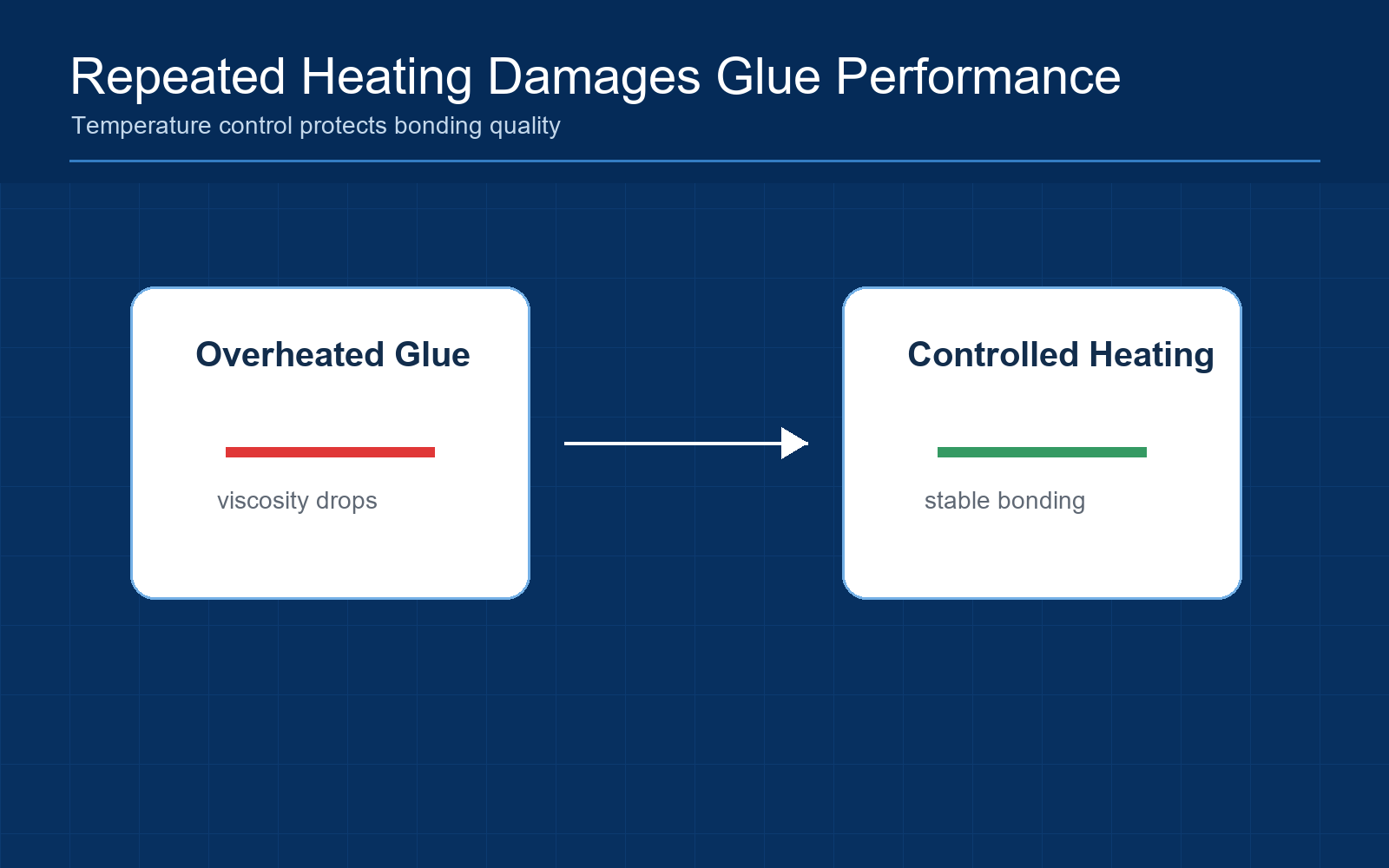
Coating is not a replacement for correct operation. If glue is overheated, contaminated, or left too long, residue can still form. But a good surface can reduce the cleaning burden compared with a rough or poorly maintained pot.
EVA and PUR Maintenance Differences
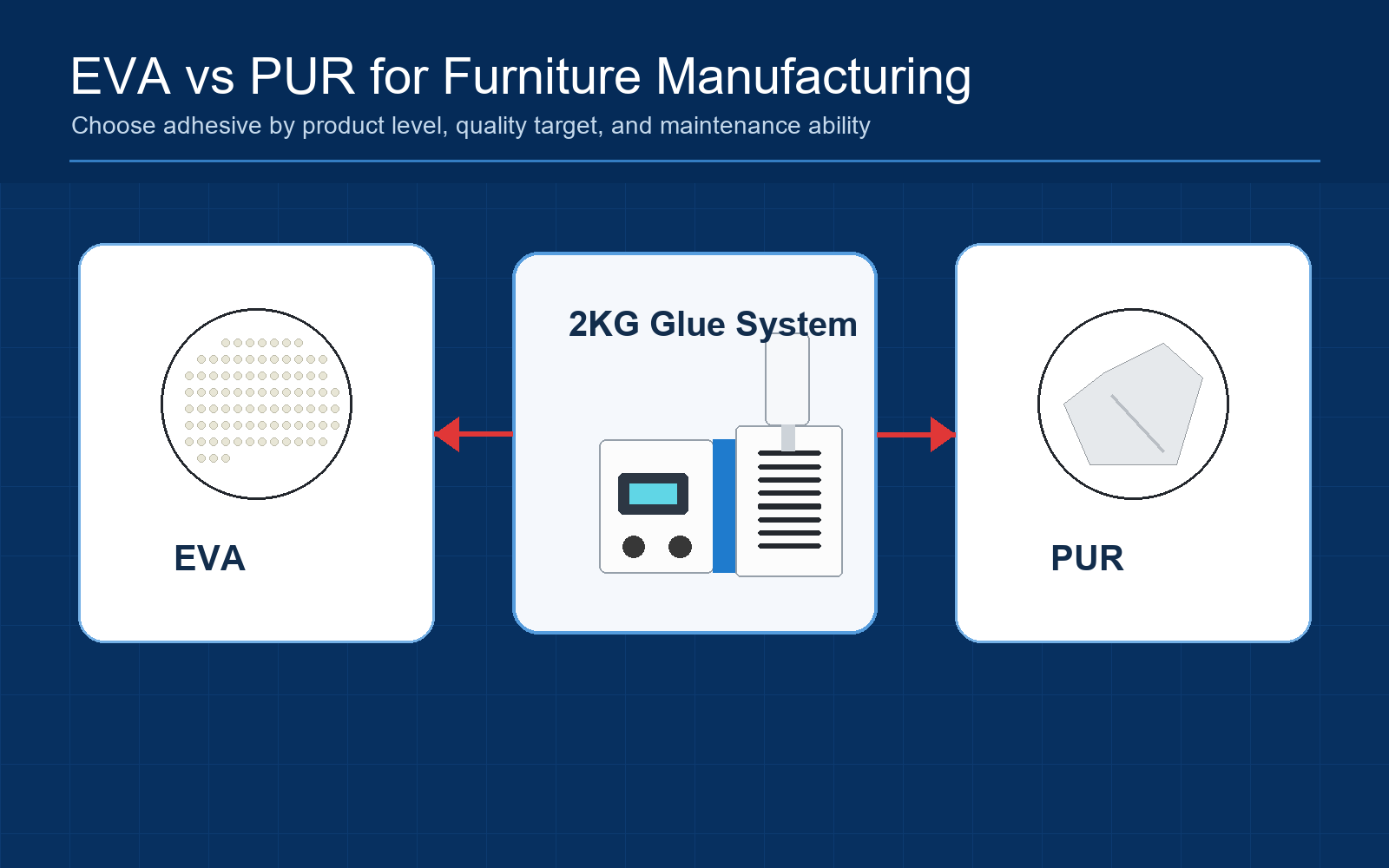
EVA is generally easier to clean and maintain. Residue still needs attention, but the process is more forgiving.
PUR is stricter. Because PUR reacts with moisture, cleaning and shutdown must follow a controlled process. A clean-free design can help, but it does not remove the need for proper PUR handling. Operators must still protect the glue path and avoid cured adhesive inside the system.
Reducing Downtime
Cleaning time is production time. If operators spend too long removing glue residue, the factory loses output. A glue pot that is easier to clean can reduce downtime, especially in small and medium factories with mixed orders.
Less cleaning pressure also helps operators maintain consistency. When maintenance is too difficult, it is often delayed. Delayed cleaning creates bigger problems later.
Practical Factory Advice
Use clean-free design as part of a maintenance system, not as an excuse to ignore cleaning. Control glue temperature. Avoid repeated heating. Keep glue level appropriate for production volume. Clean before residue becomes hard. Train operators on the difference between EVA and PUR maintenance.
Factories should also inspect the pot surface over time. If the coating is damaged, cleaning performance may decline. Maintenance records help identify when cleaning time or glue waste starts increasing.
Final View
Clean-free glue pot coating helps edge banding factories reduce daily maintenance pressure. It is especially useful when production is mixed, operators change orders often, or the factory uses both EVA and PUR. The benefit is not only cleaner equipment. It is more stable production, lower waste, and fewer glue-related quality problems.
What Clean-Free Does Not Mean
Clean-free does not mean no maintenance. It means the pot surface is designed to reduce sticking and make cleaning easier. Operators still need to remove residue, control heating time, and prevent contamination. If glue is burned, mixed with dust, or left hot for too long, even a better coating cannot keep the system clean forever.
Factories should treat coating condition as a maintenance item. If cleaning becomes harder over time, the surface may be scratched, worn, or contaminated. Operators should avoid using tools that damage the coating. They should also separate EVA and PUR routines, because PUR cleaning and shutdown requirements are stricter.
The real value of a clean-free pot is consistency. It helps operators keep the glue system cleaner with less effort, which supports better bonding and fewer surface defects.
Standard vs Clean-Free Glue Pot Table
| Item | Standard Glue Pot | Clean-Free Glue Pot |
|---|---|---|
| Cleaning effort | Higher, especially after long heating | Lower when coating is maintained |
| Glue residue risk | More buildup if cleaning is delayed | Reduced sticking on coated surfaces |
| Suitable use | Standard EVA production with regular cleaning | Mixed production or factories wanting lower maintenance pressure |
| Key risk | Burned residue and panel contamination | Coating damage if cleaned with wrong tools |
Conclusion
A clean-free glue pot helps reduce maintenance pressure, but it does not remove the need for cleaning. Factories should protect the coating, control glue temperature, and maintain separate routines for EVA and PUR production.
Image Reference Notes
- As shown in Image 01, clean-free design is meant to reduce cleaning effort, not eliminate maintenance.
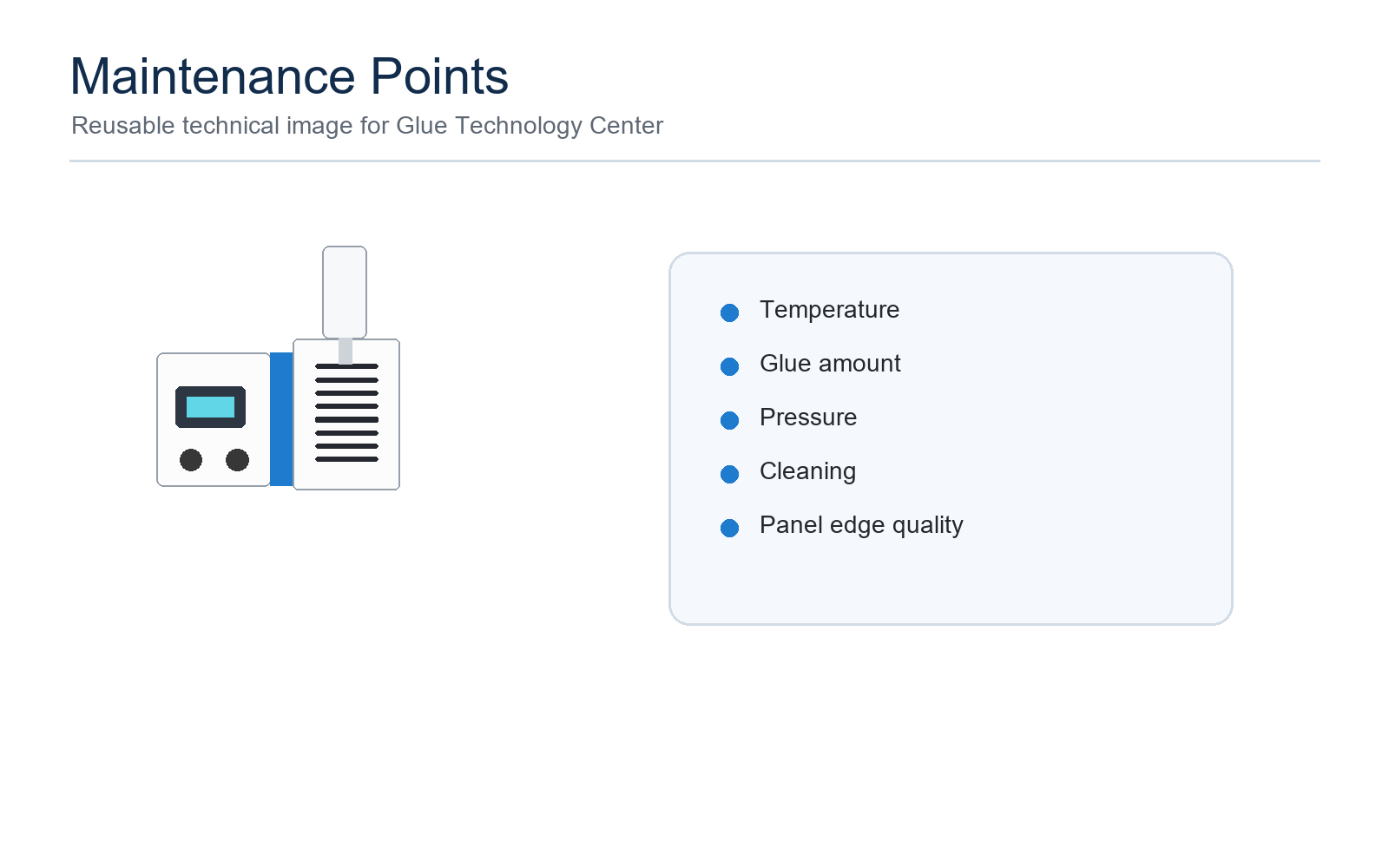
- As shown in Image 02, daily maintenance still controls long-term glue system stability.
- As shown in Image 03, repeated heating can still create residue even with better coating.
- As shown in Image 04, EVA and PUR require different cleaning and shutdown routines.
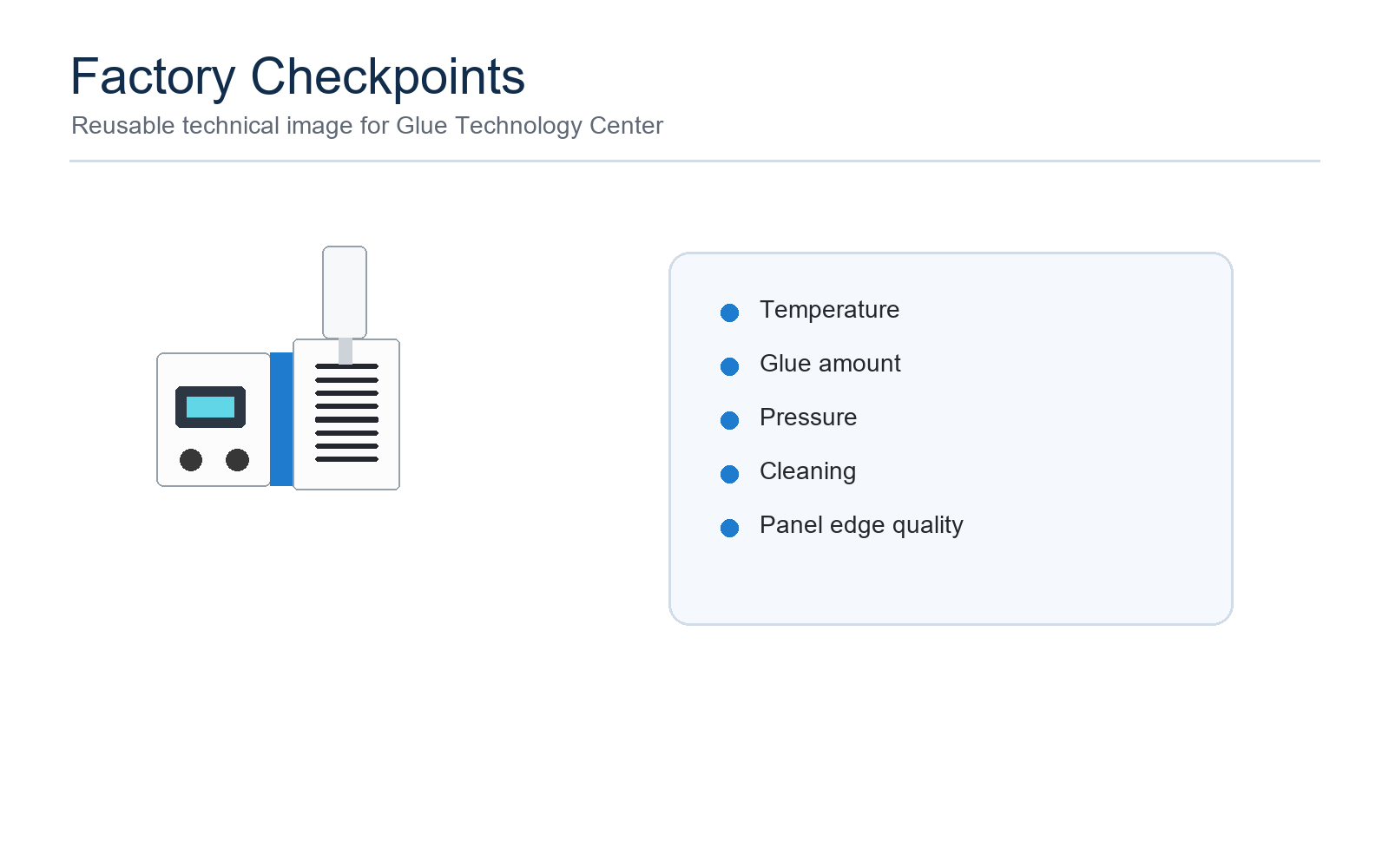
- As shown in Image 05, factories should inspect cleaning, temperature, pressure, and panel quality together.
FAQ
Does clean-free mean no cleaning?
No. It means easier cleaning and reduced sticking, not zero maintenance.
What damages clean-free coating?
Wrong tools, hard scraping, burned residue, and poor cleaning habits can damage the coating.
Is clean-free useful for PUR?
It can help, but PUR still needs strict shutdown and cleaning control.
How should factories judge coating performance?
Track cleaning time, glue residue, contamination, and whether cleaning becomes harder over time.
Internal Links
- Glue Technology Center
- Related Article
- For glue-system maintenance planning, use the Automatic Edge Banding Buyer Guide to define panel, edge material, glue process, finish and output requirements, then review the automatic edge banding machine category for relevant configurations.
Related Articles
- How to Reduce Glue Waste in Edge Banding Production
- What Is a 2KG Multi-Function Glue System in Edge Banding?
- Why Repeated Heating Damages Edge Banding Glue Performance
Why One Good Sample Is Not Enough: First–Middle–Last Inspection for Decorative Profiles
Why Edge Banding First Changes Decorative Moulding Production
HK640 Crawler Edge Banding Machine
HK690 Narrow-Edge Banding Machine Overview