HK620 Line-Workpiece Edge Banding Machine: A Buyer Verification Guide
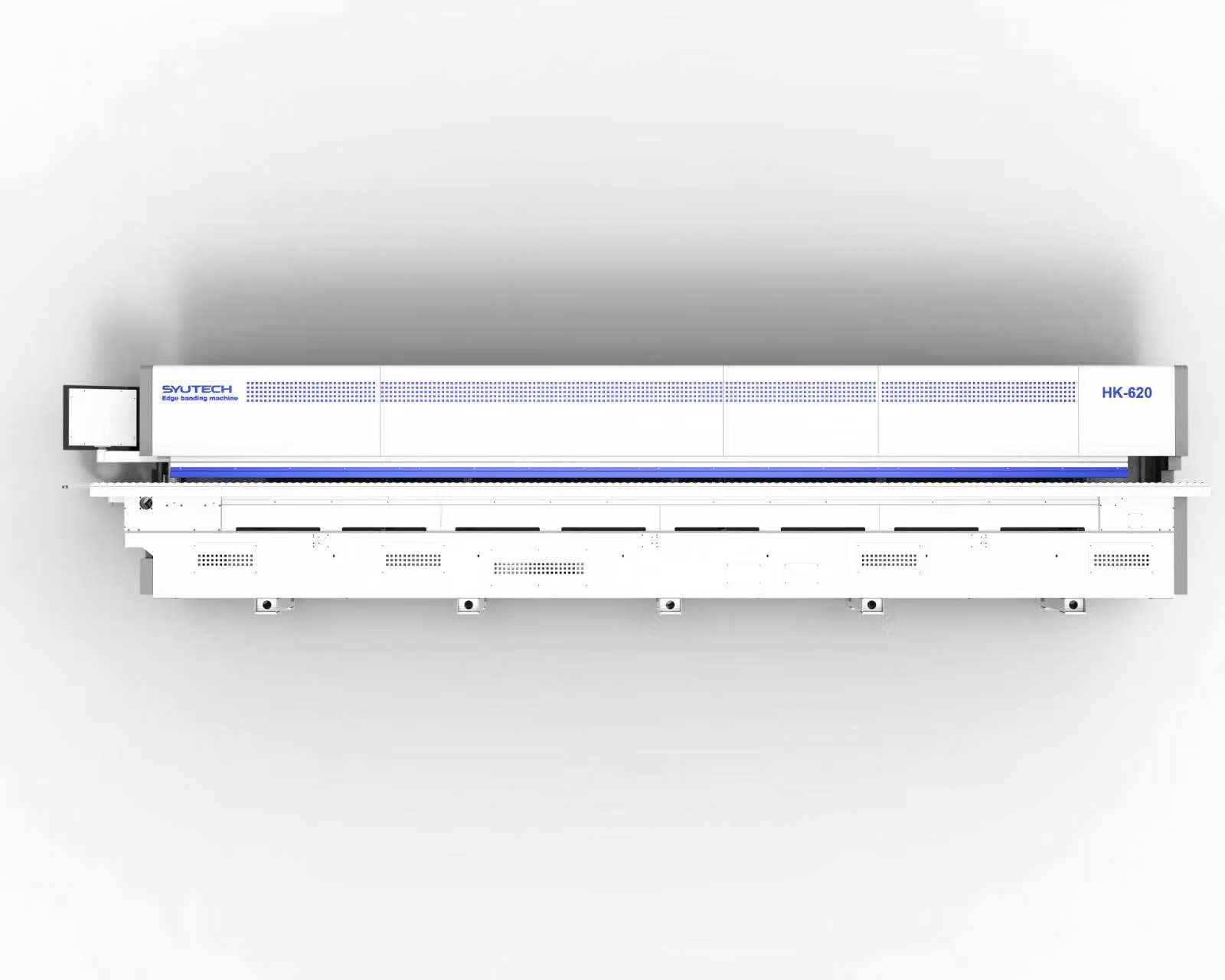
Overview
HK620 is intended for buyers evaluating a controlled edge-banding process for line-shaped workpieces used in door, furniture and decorative moulding production. This guide focuses on the workpiece evidence, factory inputs and acceptance method that should be prepared before a purchasing decision.
Manual handling of narrow or shaped line workpieces can create variation in positioning, edge alignment, trimming and finishing. The equipment review should therefore start with real workpieces, materials, production targets and a measurable sample-test plan.
Who Is HK620 For?
- Door factories processing frame, skeleton-line or decorative components.
- Furniture factories handling narrow or line-shaped furniture parts.
- Decorative moulding processors working with profiles or trim components.
- Production teams seeking to reduce operator-dependent variation.
Main Production Problem
Line-shaped workpieces can be difficult to support and guide consistently. Variation between operators, shifts or material batches may affect feeding, edge alignment and the finished surface. A useful purchasing review must evaluate the complete process rather than the machine model alone.
What Buyers Should Verify Before Purchase
- Provide clear workpiece photos and drawings with the relevant dimensions and profile geometry.
- Identify the substrate, edge material, adhesive process and finish standard.
- State daily output, shift pattern, product mix and changeover frequency.
- Document the available electrical supply, compressed air, extraction and factory space.
- Run representative samples and agree on measurable acceptance criteria before ordering.
- Separate standard equipment, optional functions, installation, training, spare parts and service responsibilities in the quotation.
Published Product Evidence
The public HK620 product page documents the machine as a line-workpiece edge bander and shows the production modules, sample images and operating video currently available for buyer review. Use that evidence together with the buyer’s own production samples.
Review the HK620 product page and published process evidence
Recommended Sample-Test Process
- Select production-representative workpieces, including normal dimensional and material variation.
- Record the material, edge tape, adhesive process and required finish.
- Define the inspection points for feeding stability, alignment, trimming and surface quality.
- Run more than one piece and compare repeatability rather than judging a single demonstration sample.
- Record the accepted sample, configuration scope and acceptance method in the technical agreement.
FAQ
1. What kinds of buyers should evaluate HK620?
Door, furniture and decorative-moulding factories processing line-shaped workpieces are the primary audience for this purchasing guide.
2. Why are real samples important?
Profile geometry, substrate, edge material and finish requirements affect how a workpiece feeds and how the completed edge should be judged. Representative samples make the review measurable.
3. What production information should the buyer prepare?
Prepare workpiece drawings, materials, product mix, output target, shift pattern, factory utilities, available space and the required finished-edge standard.
4. How should the sample result be accepted?
Agree on inspection points before the test, run multiple representative pieces and record the accepted sample and evaluation method in writing.
5. What should be separated in the quotation?
List standard equipment, optional functions, installation, training, spare parts, warranty and service responsibilities as separate items.