Door-frame profiles, skeleton-door components and decorative mouldings do not behave like ordinary rectangular furniture panels. Their cross-sections, visible surfaces and handling requirements can make manual edge application inconsistent, especially after a long profile has already been divided into short parts.
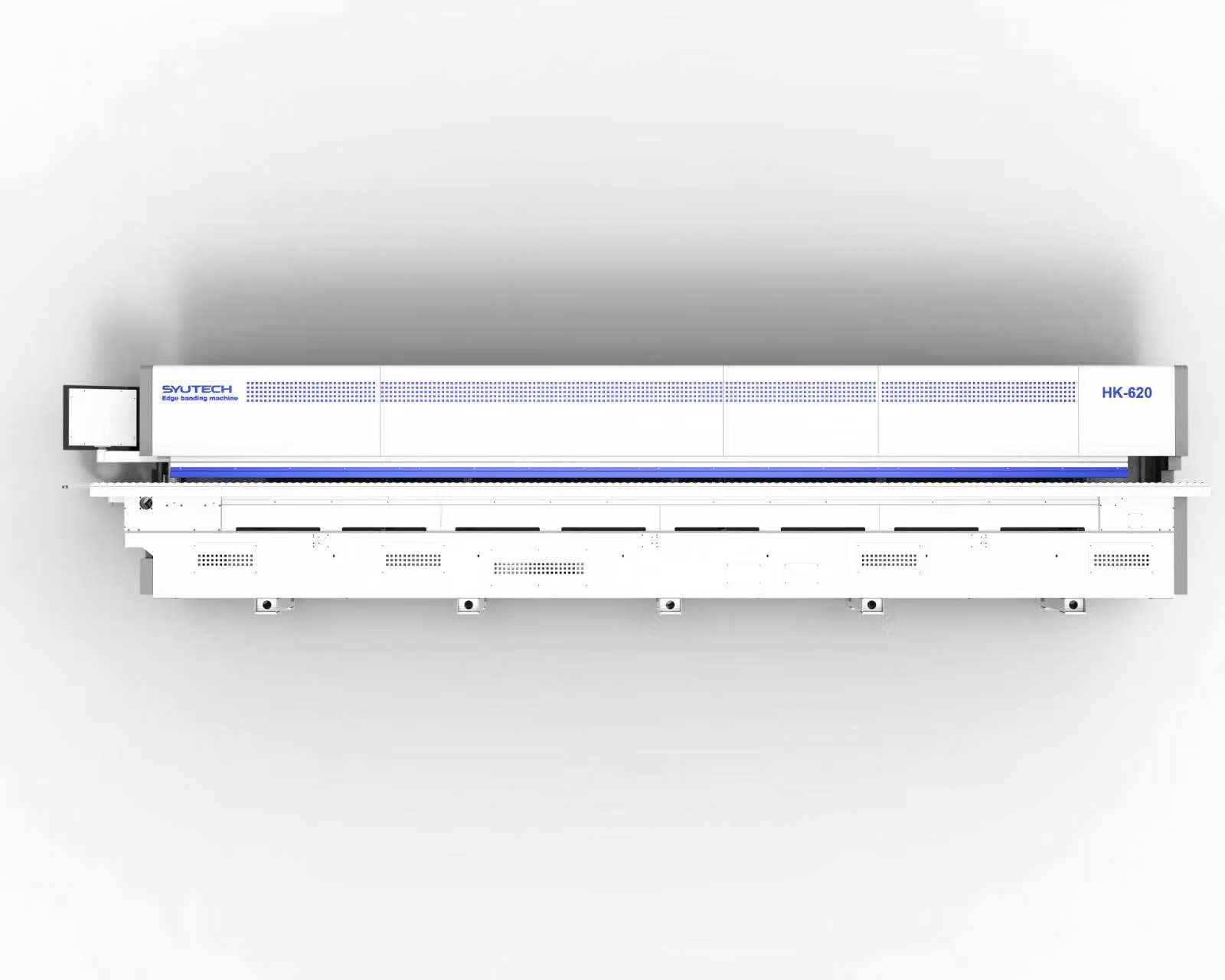
Start With the Workpiece, Not a Specification Table
An integration review should begin with the factory’s real profile rather than a generic machine specification. Prepare the cross-section drawing, substrate, surface finish, edge material, adhesive requirement, groove position, final cutting length, target output and acceptance standard.
HK620 is retained on WMN as a market-specific technical reference for line-shaped door and decorative components. It should not be treated as a general narrow-panel edge bander, curved-panel edge bander or profile-wrapping machine. Current availability and the final machine configuration must be confirmed against the actual workpiece.
The Process Concept: Edge First, Size Later
- Edge banding: apply and press the edge material while the profile remains in a longer, more stable form.
- Grooving: complete the required groove operation after the edge-banding stage when the approved process calls for it.
- Cutting: divide the processed material into the required component lengths at the end of the sequence.
This sequence is intended to reduce repeated handling and repositioning of short parts. It is a process concept, not a guarantee for every profile. Suitability depends on the cross-section, material, edge tape, adhesive, groove design and required finished result.
Who Should Evaluate This Process?
- Door factories processing skeleton-door frame parts or decorative line components.
- Furniture factories handling long, narrow or profile-shaped visible components.
- Decorative-moulding producers that need a repeatable edge, groove and cut sequence.
A standard panel edge bander remains the correct category for ordinary rectangular boards. The HK620 process should be evaluated only when the workpiece and production sequence match the line-shaped application.
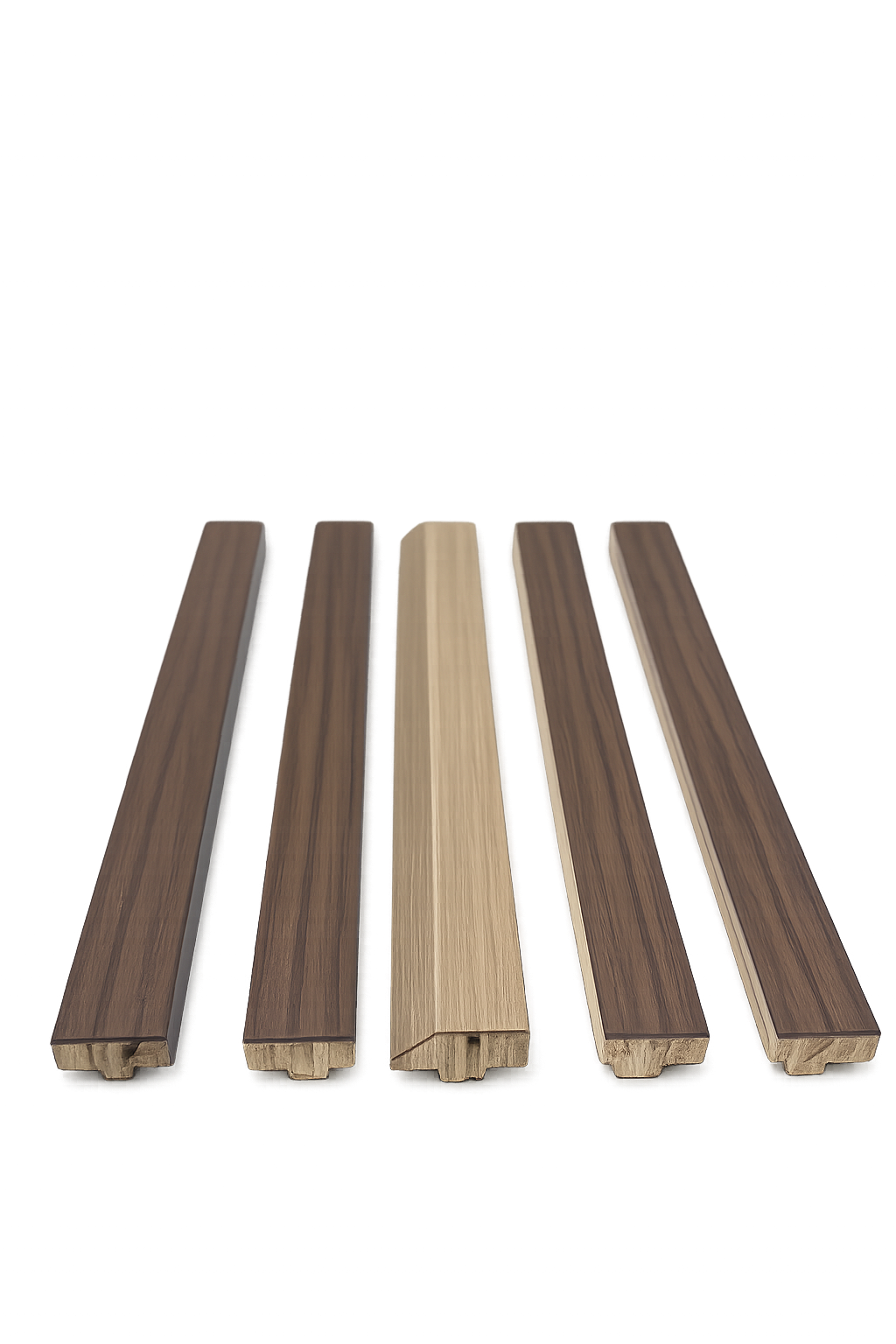
Factory Integration Checklist
- Workpiece evidence: drawings, cross-section dimensions, photos and representative production samples.
- Material system: substrate, surface finish, edge material and adhesive requirement.
- Process sequence: operations before edge banding and after cutting, including handling and inspection.
- Utilities and layout: available floor space, electrical standard, air supply, dust extraction and safe access.
- Production target: shift pattern, product mix, changeover frequency and required daily output.
- Acceptance criteria: visible glue line, edge alignment, trimming, surface protection, groove position, cut length and repeatability.
Recommended Sample-Test Method
- Select normal and difficult profiles from real production, not demonstration-only pieces.
- Record all input materials and the required finished result before the test.
- Run multiple pieces so repeatability can be checked rather than judging one sample.
- Inspect the same points on every piece and record defects before changing settings.
- Confirm the accepted sample, configuration scope and acceptance method in the technical agreement.
Buyer Questions Before a Final Proposal
- Does the proposed process match the real profile cross-section?
- Which operations are included, optional or completed by another machine?
- Which edge material and adhesive process will be used for the sample?
- How will the buyer measure repeatability and visible finish quality?
- What factory utilities, layout and operator preparation are required?
FAQ
Is HK620 a standard panel edge banding machine?
No. WMN classifies it as a line-workpiece technical reference for door-trim and decorative-profile applications. Standard rectangular panels belong to a different equipment category.
Why keep the profile long before cutting?
A longer workpiece can reduce the number of short-part handling and positioning steps. The benefit must still be verified with the buyer’s real material and profile.
Can a buyer choose the machine from published specifications alone?
No. Final selection requires a workpiece drawing, materials, process requirements, factory conditions and a representative sample-test plan.
What should be measured during a sample test?
Check feeding and alignment, bonding, trimming, visible finish, groove position, cut length and repeatability across multiple pieces.
Where can buyers review the available HK620 evidence?
Use the HK620 product reference and the HK620 process technical note, then send real workpiece information for evaluation.
Next Step
Review the edge banding machine center and factory solutions. For an HK620 application review, send the workpiece drawing, photos, materials, production target and required finished result.
Why One Good Sample Is Not Enough: First–Middle–Last Inspection for Decorative Profiles
Why Edge Banding First Changes Decorative Moulding Production
HK640 Crawler Edge Banding Machine
HK690 Narrow-Edge Banding Machine Overview